Gardening Services in Uxbridge

Gardening Services Uxbridge provides practical garden care for homes and businesses that need a tidy, workable outdoor space with regular attention or one-off support. Our work focuses on the visible detail that keeps a garden under control: lawn care, hedge trimming, planting support, seasonal maintenance and clearance of overgrowth when areas have been left for too long. We keep the approach straightforward, so you can request the help that suits the current condition of the site rather than a package that includes more than you need.
Many gardens need different tasks at different times of year, so we plan work around what is actually present on the day. That may mean shaping hedges, cutting back borders, removing spent growth, mowing lawns or combining several services into a single visit. If you are comparing options, our services overview is a useful starting point because it sets out the core work we cover and helps you narrow down the most relevant next step.
For jobs that need a clear price discussion, the best place to begin is the pricing and quotes page, where you can see how to request a quotation for the work you need. If you already know that the garden needs more than routine care, a plain enquiry is often enough to start the process. Tell us what the outdoor area involves, and we can work from there.
Garden maintenance for regular care
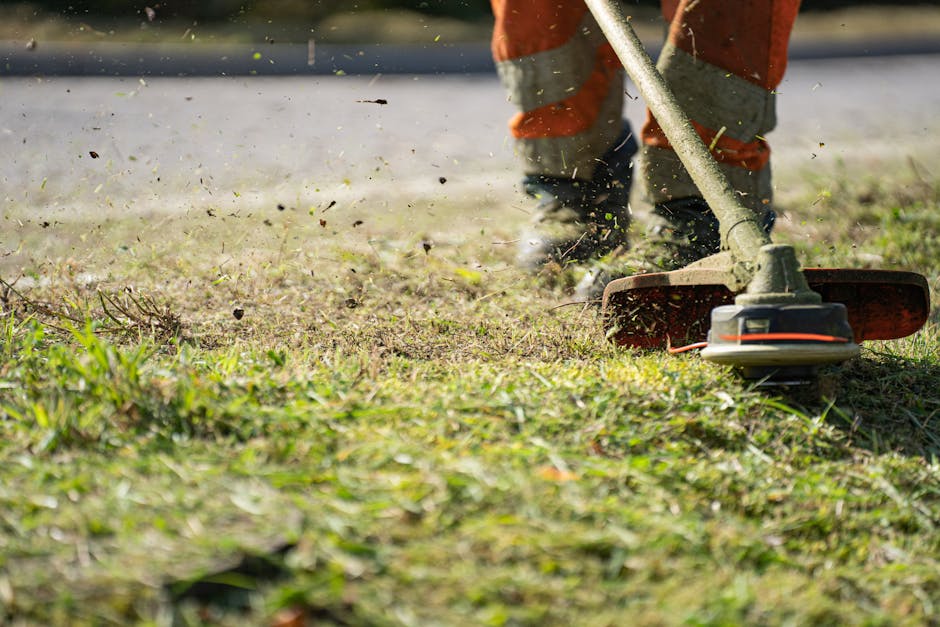
Our garden maintenance service is designed for ongoing upkeep rather than a single dramatic tidy-up. It suits gardens that need repeated attention to keep grass, borders, hedges and hard-to-manage growth in shape. Regular maintenance can help a property stay presentable and easier to use, while also reducing the amount of time needed for bigger corrective work later on. We can keep the work focused on the elements that matter most to you.
Typical maintenance tasks include mowing, edging, weeding, pruning back soft growth, clearing light debris and keeping access routes usable. In some gardens, the main issue is not one large problem but several smaller ones building up at once. By handling them together, maintenance can restore order without changing the character of the planting or turning the garden into something over-worked. It is a careful, useful service rather than a cosmetic overhaul.
What regular maintenance can include
- Grass cutting and a neat finish to borders and edges
- Removal of routine garden waste from pruning and tidying
- Basic pruning of shrubs, hedging and soft growth
- Weed control in beds, paths and overlooked corners
- Simple seasonal tidying to keep the space manageable
Lawn mowing and hedge trimming

Lawns and hedges are two of the most visible parts of a garden, so they often shape the first impression of the whole property. Our lawn mowing service covers routine grass cutting with attention to finish, while our hedge work helps keep boundaries, front gardens and screening planting under control. These services can be booked separately or together, depending on what the space needs and how much growth has built up.
Hedge trimming is useful where formal lines matter, but it can also help relaxed gardens regain shape after a period without attention. Trimming is not only about appearance; it also keeps hedges from becoming awkward to pass, overhanging paths or making the garden feel smaller than it is. With mowing, the aim is a cut that suits the lawn condition, rather than forcing the same result on every patch of ground.
When these two tasks are handled together, the garden usually feels more settled immediately because the edges and structure are back under control. That balance between openness and shape is often what customers want from straightforward upkeep. If you need the work grouped into one visit, say so when you enquire and we can take the combined scope into account.
Clearing overgrown or neglected outdoor spaces
Some gardens need more than maintenance because the space has become too congested with long grass, self-set growth, bramble, cuttings or general accumulation. Our garden clearance service is intended for that kind of work. It concentrates on removing unwanted growth and waste so the ground, paths and boundaries become visible again. This can make later maintenance simpler because the underlying layout is easier to reach and assess.
Clearance work can be especially helpful before planning new planting, re-establishing a lawn or deciding whether part of the garden should be reshaped. The job may involve more lifting, cutting and collecting than routine care, so it is usually approached in stages and with practical judgement. We aim to remove what is no longer useful while protecting the parts of the garden that still have value.
If you are unsure whether your garden needs clearance, maintenance or a mix of both, a short description of the current condition is normally enough to point you in the right direction. A concise quotation request can save time because the work can be matched to the state of the site from the outset. If the garden has several problem areas, mention them together rather than one at a time.
Landscaping and decking improvements

Beyond routine care, we also handle projects that change how a garden is laid out or used. Our landscape gardening work is suited to gardens that need more structure, planting direction or a clearer division between different areas. This can include reshaping beds, improving visual balance or making a tired outdoor area feel more coherent without losing the practical needs of the property.
The broader landscaping service covers improvement work that may involve surfaces, planting areas and the relationship between the house and the garden. Some customers want better access, others want a cleaner layout or a more purposeful use of space. We keep the discussion grounded in the actual garden rather than in fixed templates, because the right result depends on what already exists and what is worth keeping.
Where timber structures are part of the plan, our decking services can support a more usable outdoor area. Decking can create a defined place for seating or circulation, but it should sit comfortably with the rest of the garden, not dominate it. Practical design choices matter here, especially if the aim is to connect a new surface with planting, steps or existing paths in a natural way.
Tree and boundary work
Tree lopping and removal is for situations where trees are becoming too large, crowded or difficult to manage within the available space. Work of this kind may be needed to improve light, reduce encroachment or remove trees that no longer suit the garden layout. The right approach depends on size, condition and access, so tree-related jobs are treated carefully rather than as a one-size-fits-all task.
Where a tree can be reduced or reshaped, the aim is usually to bring it back into a manageable form while retaining as much value as possible. Where removal is the appropriate option, the process is more direct and needs proper planning around the surrounding garden. We do not treat every tree as the same; the level of intervention should match the site and the owner's priorities.
These services are often requested alongside hedge trimming, because boundaries and taller growth can affect the same areas of a garden. If you are arranging several tasks at once, it helps to note which features are priority items and which can be handled later. That simple order of work can make the quotation process clearer and the eventual visit more efficient.
Planning a useful quotation

When you request a quote, the most helpful information is a clear account of the work you want done and the condition of the garden now. A few sentences about the size of the area, the main problem spots and any access issues are usually enough to begin. Photos can also help where the site is difficult to describe, but the point is accuracy rather than volume. Good detail leads to a more relevant discussion of scope.
It is also sensible to mention whether you want a one-off visit or ongoing support, because that changes the way the work is planned. A tidy-up after a long gap is not the same as regular upkeep, and a landscaping project needs different preparation again. If there are features you want kept, moved carefully or left untouched, make that clear at the start so the quotation reflects the real brief.
For simple budgeting, the main factors are usually the amount of growth, the number of tasks involved, how accessible the area is and whether waste needs to be collected as part of the work. Those factors are common across many garden jobs, but they still need to be considered one by one. If you are ready, the next step is to send a straightforward enquiry and ask for a quotation based on the current state of the garden.
About Uxbridge
Uxbridge is a historic market town in west London and the administrative centre of the London Borough of Hillingdon. It sits on the River Colne and the Grand Union Canal, with water-related routes and green corridors helping to shape the local landscape. The area grew from an early settlement on a crossing point and later became known for its coaching, market and transport connections, before expanding further through suburban development and commercial change in the twentieth century. Traces of older settlement remain alongside a more modern town centre, giving Uxbridge a mixed character that reflects several phases of growth. St Andrew’s Church, Uxbridge, stands as one of the town’s notable historic buildings, while the surrounding streets include a range of older and newer architecture. Local open spaces such as Fassnidge Park provide a green setting close to the centre, and the nearby waterways and towpaths add another layer to the place’s character. The town’s position near the edge of Greater London has long given it a transitional feel, linking urban activity with less built-up edges and routes out toward Buckinghamshire and the wider west London area. That combination of history, transport and green space is part of what defines Uxbridge as a place with both practical function and a recognisable local identity.
Garden work shaped around the season
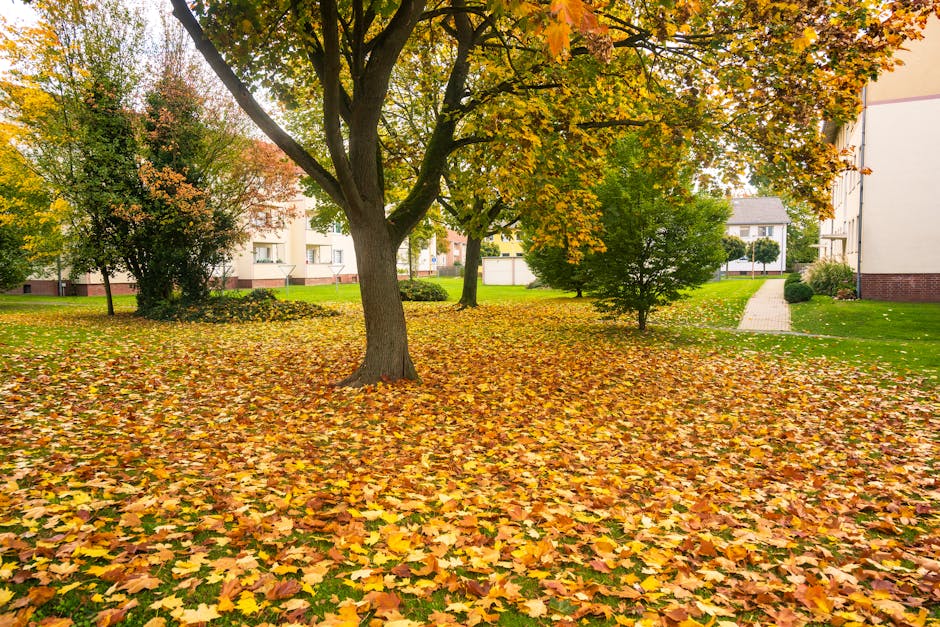
Different times of year bring different priorities, and a sensible garden plan usually follows the seasonal condition of the space. In spring, attention often turns to recovering from winter damage, restarting growth and clearing the first flush of weeds. In summer, mowing, pruning and general control become more visible, especially where heat and steady growth make edges harder to keep in shape. Later in the year, the focus may shift to leaf clearing, cutting back and preparing the garden for a quieter period.
Seasonal work does not have to mean a full redesign every time the weather changes. In many gardens, the useful response is simple: deal with what is active now, then leave room for the next phase. That approach can be applied to lawns, hedges, beds and larger planting areas alike. It is also a good way to protect features that would suffer if they were cut back too heavily at the wrong moment.
Our work can therefore be arranged as regular upkeep, a single clean-up visit or a broader improvement plan. If you already know the results you want, describe them plainly. Clear priorities help keep the scope realistic and make it easier to turn a rough idea into a practical quotation.
Choosing the right level of service

Not every garden needs the same amount of attention, and it is often more useful to match the service level to the actual condition of the site. A small front garden may only need mowing and edging, while a larger back garden may need hedge work, border maintenance and occasional clearance. Once the main issue is identified, we can focus the work where it will have the greatest effect.
For that reason, it helps to think in terms of outcomes: do you want the garden made presentable, brought back under control, or prepared for new work later on? Each answer points toward a slightly different mix of tasks. We can cover the practical parts of that process and keep the brief clear, whether the job is routine or more involved.
The easiest way to begin is to send a concise enquiry and ask for the quotation that fits your garden. If you would like to review the main options first, you can still look back at the service details above, then contact us when you are ready. A short message is enough to start.